
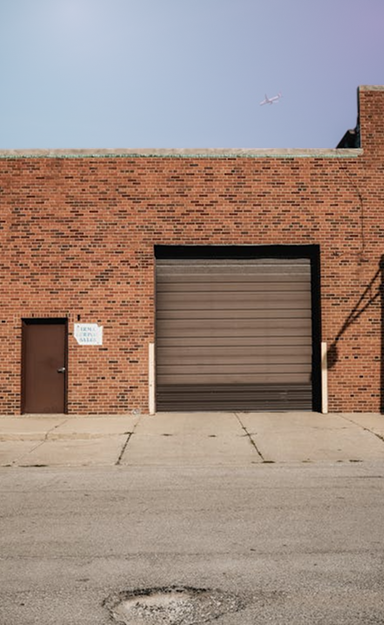
A technician arriving at a Chester County home finds a steel garage door that has been in service for over twenty years. The springs have been replaced once. The bottom weatherstripping was swapped out after the homeowner noticed it had gone brittle. The panels show minor surface oxidation at the base but no through-corrosion and no structural compromise. That door represents what the right gauge of steel, proper installation, and consistent maintenance habits look like over two decades of Chester County winters, road salt, and summer humidity.
How long metal garage doors last is not a single number. It is a range shaped by the gauge of the steel, the quality of the finish, how the door is maintained, and the environmental conditions it faces. Understanding each of those factors before making a purchase or scheduling a repair is what separates a well-informed homeowner from one who replaces a door years sooner than necessary. This guide breaks down each of those factors clearly and honestly.
Why Metal Garage Doors Are the Most Common Choice
Steel dominates the residential garage door market for reasons that hold up under scrutiny. Metal garage doors are more dimensionally stable than wood, less prone to warping and swelling, and require significantly less refinishing over their lifespan. They are available in insulated and non-insulated configurations, compatible with virtually every opener system, and manufactured in a wide range of styles that match most home exteriors.
For Chester County homes, where winter road salt, summer humidity, and freeze-thaw cycling put real stress on exterior materials, metal garage doors offer a durability profile; wood and composite alternatives struggle to match. That durability is not automatic. It is a function of how the door was built and how it is maintained.
How Long Do Metal Garage Doors Actually Last?
A well-installed steel garage door with quality hardware, proper sealing, and consistent maintenance typically delivers between 20 and 30 years of service life. Across more than eight decades of installations and service calls in West Chester and Chester County, Howell Door technicians have observed that doors built with thinner steel or installed without proper bottom sealing commonly show significant wear in 15 years or fewer, particularly given the road salt exposure and freeze-thaw cycling that are a consistent part of this region’s climate.
Metal garage doors installed with premium steel and factory-applied finish systems, maintained consistently, can exceed 30 years without panel replacement. The most important variable that determines where a door lands within that range is one most homeowners never ask about at the point of purchase.
Steel Gauge — The Most Important Factor Most Homeowners Miss
Steel garage doors are manufactured in gauges, and the gauge number is the single most checkable technical predictor of how long a metal door will last. The system runs inversely to thickness. A lower gauge number means thicker, more rigid steel. The builder-grade standard for most residential installations is 24-gauge steel. A 25 or 27-gauge door is thinner, more susceptible to denting, and more vulnerable to corrosion once the factory finish is scratched. A 22-gauge door is measurably more rigid, holds its finish longer under thermal stress, and resists a failure mode called oil-canning, the visible waviness that develops in thinner panels when they flex repeatedly under temperature-driven expansion and contraction.
In Chester County, where a garage door faces temperature swings from single digits in January to over ninety degrees in July, thermal cycling puts real cumulative stress on steel panels. A 22-gauge door handles that stress differently than a 27-gauge door, and the difference shows up in finish condition, panel integrity, and lifespan. Homeowners replacing a door should ask specifically about gauge before committing to a model.
How Chester County’s Climate Affects Metal Garage Door Lifespan
Road salt shortens metal garage door lifespan faster than almost anything else in this region. Salt spray from passing vehicles and driveway runoff reaches the lower panels of street-facing doors, pools against the bottom rail, and works into any gap in the weatherstripping seal. Once moisture carrying road salt gets behind the bottom seal, it sits against the steel and accelerates oxidation from the inside out.
The pattern Howell Door technicians have observed across Chester County is consistent. A metal door with an intact, properly seated bottom seal can reach 20 or more years without through-panel corrosion at the base. A door with a cracked or missing bottom seal commonly shows structural rust in the lower rail within five to seven years, regardless of the gauge of the steel above it. The seal is the primary defense against the failure mode that ends the service life of more Chester County metal garage doors than any other single factor.
Summer humidity adds a secondary layer of stress. Any area where the factory finish has been scratched or chipped becomes a site of active oxidation. Once compromised, the steel underneath corrodes.
The Role of Finish and Coating in Long-Term Durability
The factory finish on a metal garage door determines how long the steel underneath stays protected, and not all finishes are equal. Entry-level steel doors use a basic painted finish that chips and scratches relatively easily under daily use. Higher-quality doors use a baked-on polyester finish over a galvanized steel base, providing better adhesion, UV resistance, and flexibility under thermal cycling.
Premium finish systems use polyvinylidene fluoride coatings that resist fading and UV degradation measurably better than standard polyester over a 20 to 30-year service window. The practical implication is straightforward. A paint chip on a premium finish door is a cosmetic issue. A paint chip on a basic finish door that goes unaddressed becomes a rust site, and rust spreads laterally under the surrounding finish before it becomes visible at the surface. Touching up chips promptly is the highest-return maintenance habit most homeowners skip until visible rust has already taken hold.
Insulation and Its Impact on Metal Door Lifespan
Insulated metal garage doors tend to outlast non-insulated versions in climates like Chester County, and the reason is structural as much as thermal. The polyurethane foam core in higher-quality insulated doors is injected between the inner and outer steel skins and bonds to both, creating a composite panel more rigid than either skin alone. That added rigidity reduces panel flex with every cycle, and less flex means less finish stress at the edges and seams where cracking typically starts.
Polystyrene-backed doors, where rigid foam board is placed between the skins without chemical bonding, provide less structural contribution than injected polyurethane. Homeowners comparing insulated options should ask whether the core is injected with a polyurethane or polystyrene board, because the answer affects both thermal performance and long-term panel durability.
Maintenance Habits That Extend Metal Garage Door Lifespan
Washing the door panels with mild soap and water two or three times a year removes road salt residue and the grime that traps moisture against the finish. In Chester County, washing the lower panels after the heaviest salt months of January and February directly addresses the primary corrosion risk for street-facing doors.
Touching up paint chips before surface rust develops is the second highest-return habit. The window between a fresh chip and an active rust site is shorter in a humid climate than most expect. Replacing weatherstripping at the first sign of cracking protects the bottom panel from moisture intrusion, the most consistent predictor of shortened door lifespan Howell Door technicians see across Chester County. Lubricating the rollers, hinges, and hardware regularly reduces vibration transmitted to the panels with every cycle.
Signs a Metal Garage Door Is Nearing the End of Its Lifespan
Through-panel rust that has compromised a section’s structural integrity is the clearest sign a metal door has moved from maintenance into replacement territory. Surface rust confined to the finish layer can still be addressed. Rust that has eaten through the steel cannot be reversed. Panels that are warped or severely oil-canned, sections that no longer align when the door closes, and bottom rails corroded past the point where weatherstripping seats correctly all indicate a door approaching the end of its serviceable life.
Howell Door technicians across Chester County consistently find that doors showing these patterns share a common history: missing bottom seals, deferred paint chip repairs, and no history of panel washing in high salt-exposure locations. The doors that reach 25 or more years are the ones where those three habits are held.
Trust Howell Door for Metal Garage Door Service and Installation
Howell Door has been installing, servicing, and honestly assessing metal garage doors across West Chester and Chester County since 1939. Eight decades of observing how different door grades and maintenance habits perform in this regional climate informs every recommendation their technicians make.
Whether the goal is extending the life of an existing metal door, deciding between repair and replacement, or selecting the right gauge and finish for a new installation, Howell Door provides the honest guidance homeowners across the area have consistently recognized. Same-day service on most calls, a one-year workmanship warranty on every repair and installation, and no pressure to replace a door that still has serviceable life in it are what working with Howell Door looks like.