
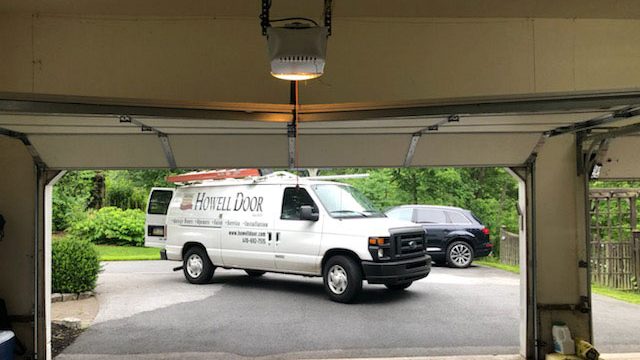
What should you check during fall garage door maintenance? Before winter, inspect visible hardware, clear debris around the threshold, check weather seals, observe normal door movement, test opener safety features, and review lubrication and balance requirements. If you notice broken springs, loose cables, crooked movement, or failed safety tests, stop using the door and arrange a professional inspection.
Cold mornings can make garage door problems especially frustrating. The last thing you want is a door that refuses to open when you’re trying to leave for work or get the kids to school. Fortunately, preparing your garage door for winter doesn’t have to involve complicated repairs. A few simple checks can help you spot worn components, damaged seals, or unusual movement before they become bigger concerns.
For homeowners in West Chester and surrounding southeastern Pennsylvania communities, fall is a practical time to inspect garage door components, clear accumulated leaves, and make sure the opener’s safety features are working correctly.
At Howell Door Company, we serve homeowners throughout Chester, Montgomery, and Delaware counties. Our goal is to help you understand what your garage door needs without recommending unnecessary repairs or replacements. Use this six-step fall garage door maintenance checklist to identify what you can safely handle and when it’s better to call a technician.
Why Is Fall Garage Door Maintenance Important?
Your garage door operates through a combination of mechanical and electrical components. Springs help counterbalance the door’s weight, rollers guide its movement, tracks provide its travel path, and the opener operates the system. Daily use gradually wears these components, regardless of the season.
Fall maintenance provides an opportunity to identify changes before colder weather arrives. Common concerns include:
- Worn or damaged rollers.
- Loose or deteriorating weather seals.
- Leaves and debris around the garage opening.
- Unusual grinding or scraping noises.
- Opener safety sensor problems.
- Springs or cables showing visible damage.
- Garage doors that hesitate or move unevenly.
Not every issue requires immediate replacement. A dirty sensor lens may need cleaning, while a damaged cable or broken spring requires professional attention. The important part is recognizing the difference.
Know When to Stop Using Your Garage Door
Before starting the checklist, look for serious warning signs. Stop using your garage door immediately if:
- A spring appears broken or has a visible gap.
- A cable looks loose, frayed, or displaced.
- The garage door hangs crooked.
- A roller has come out of its track.
- The door drops unexpectedly or moves unpredictably.
- The opener strains against obvious mechanical resistance.
Do not attempt to lift the door manually, pull the emergency release on a damaged or unstable door, or adjust spring tension. The Door & Access Systems Manufacturers Association safety and maintenance guide warns that components connected to garage door spring systems can be dangerous to adjust without appropriate training. If you notice these problems, arrange professional garage door spring repair or garage door cable repair as appropriate rather than continuing with the checklist.
6 Essential Fall Garage Door Maintenance Steps
These steps focus on practical homeowner observations, basic cleaning, and identifying potential safety concerns. Always follow your garage door and opener manufacturer’s instructions.
1. Inspect Your Garage Door for Visible Wear and Damage
Start with a visual inspection while your garage door is fully closed and inactive. You don’t need to remove covers, loosen brackets, or handle mechanical components. Simply look for anything that appears damaged, worn, or different from its usual condition.
What Should You Inspect?
Check accessible areas for:
- Dents, cracks, or bending in door panels.
- Rollers that appear worn or displaced.
- Damaged hinges or visible hardware.
- Rust or unusual rubbing marks.
- Bent or damaged tracks.
- Frayed cables.
- Visible gaps in springs.
- Uneven spaces around the garage door.
Some signs of wear are relatively minor. Others can indicate serious mechanical problems. For example, surface dirt on a garage door panel is generally a cleaning issue. A door that hangs unevenly or has a damaged cable is a safety concern.
If something looks unusual, take a photograph from a safe position and describe what you noticed when contacting a technician. Avoid reaching into tracks, touching cables, or climbing to inspect spring assemblies.
Maintenance tip: Keep a simple record of new noises, visible changes, or previous repairs. This gives a technician useful background if a problem develops later.
2. Clean the Garage Door Threshold and Check Weather Seals
Fall leaves, dirt, and small debris can accumulate around the bottom of your garage door. In West Chester and other parts of Chester County, this is worth checking before colder weather and winter precipitation arrive. Debris near the threshold can interfere with the bottom seal or prevent the door from closing properly.
How to Check the Garage Door Threshold
With the door fully closed and inactive:
- Inspect accessible exterior areas around the threshold.
- Remove loose leaves, dirt, and small objects that you can safely reach.
- Look for damage to the bottom weather seal.
- Check whether the seal appears torn, flattened, or displaced.
- Look for visible gaps along the bottom and sides of the door.
Do not place your hands underneath the door or attempt to reposition damaged hardware. If the bottom seal appears worn, it may allow drafts, water, or debris into the garage. However, replacing a seal won’t necessarily solve a problem caused by an uneven floor, door misalignment, or damaged tracks.
Should You Replace Your Garage Door Weather Seal Before Winter?
Not automatically. A weather seal should be evaluated based on its condition and how well it fits the opening. If the seal is cracked, torn, or no longer contacts the intended surface, replacement may be appropriate.
If the door binds, closes unevenly, or repeatedly reverses, the problem may involve more than the seal. Howell Door Company provides garage door repair services for homeowners dealing with damaged components and operating problems. Do not increase the opener’s closing force to make the door press harder against a damaged seal.
3. Listen for Unusual Noises and Watch Door Movement
Your garage door doesn’t have to operate silently, but new or unusual sounds deserve attention. Grinding, scraping, rattling, or sudden banging can indicate mechanical problems. A garage door that previously moved smoothly but now jerks or hesitates may also need inspection.
What Should Normal Garage Door Movement Look Like?
A properly operating garage door should travel smoothly and remain reasonably level throughout its movement. If the initial visual inspection found no damage or safety concerns, observe one normal opening and closing cycle from a safe position. Keep people, pets, and objects clear of the opening.
Watch for:
- Jerking or shaking during movement.
- One side moving differently from the other.
- Grinding near the tracks.
- Unexpected stopping or reversing.
- An opener that sounds unusually strained.
- Repeated hesitation at the same point.
If movement becomes uneven or unpredictable, stop using the door. Don’t operate it repeatedly just to recreate the noise.
Is the Problem With the Door or the Opener?
Not every garage door problem originates in the opener. Worn rollers, damaged tracks, or a counterbalance issue can create resistance that makes the opener work harder. On the other hand, a damaged opener drive component may create unusual movement even when the door hardware is otherwise sound.
A technician should evaluate both systems before recommending replacement. If you notice unusual motor sounds or inconsistent operation, Howell Door Company can help assess whether the problem involves the door itself or its garage door opener.
4. Check Garage Door Safety Sensors and Reversal Features
Modern automatic garage door openers include safety features intended to reduce the risk of injury and entrapment. Fall is a good opportunity to confirm these features are working as intended.
Check the Photoelectric Safety Sensors
Photoelectric sensors are typically installed near the bottom of the garage door opening. These sensors help detect obstructions in the closing path. Start by checking whether leaves, dirt, or stored objects are blocking the beam.
If a sensor lens is dusty, gently clean its accessible surface with a soft cloth while the system is inactive. Avoid touching electrical connections or changing sensor wiring. Indicator lights vary by manufacturer, so consult your opener’s instructions if a light appears unusual.
Test the Safety-Reversal System
Follow your opener manufacturer’s instructions for its recommended safety tests. The DASMA garage door opener safety and maintenance guide describes procedures for checking photoelectric sensors and contact-reversal performance. Only conduct these tests if the door is otherwise safe and operates normally.
If the opener fails a safety test, stop using the automatic function and arrange professional service. Do not bypass photoelectric sensors or increase opener force settings to overcome the problem.
Federal safety requirements for residential garage door operators are also addressed under 16 CFR Part 1211. These requirements help explain why opener safety features deserve attention alongside the mechanical condition of the door.
5. Review Garage Door Lubrication and Hardware Maintenance
Garage doors contain moving components that may require periodic lubrication. However, applying lubricant to everything you can see is not proper maintenance. Different door and opener models may have specific lubrication requirements.
Which Garage Door Parts Need Lubrication?
Depending on the manufacturer’s guidance, certain hinges, bearings, rollers, and spring components may require appropriate lubrication. Before applying a product:
- Identify your garage door and opener models.
- Review the manufacturer’s maintenance instructions.
- Confirm which components require lubrication.
- Use only the recommended type of product.
- Avoid electrical parts, sensors, and areas where lubricant is not specified.
Don’t automatically spray lubricant into the garage door tracks. A track that appears dry is not necessarily defective. More importantly, lubrication cannot repair a broken spring, frayed cable, bent track, or damaged bearing.
If the door is grinding or binding, the correct next step is identifying the cause rather than covering up the sound. A professional inspection can help determine whether the system needs routine maintenance or mechanical repair.
6. Have the Garage Door Balance Checked When Needed
Garage door balance affects how smoothly the system operates. Springs help support the door’s weight so the opener does not have to lift the full load without assistance. When the counterbalance system develops a problem, the door may become unusually heavy, move unevenly, or place extra strain on the opener.
Can You Test Garage Door Balance Yourself?
Some manufacturer instructions describe manual balance testing under specific conditions. However, disconnecting an opener or attempting to move a damaged door can be dangerous.
Do not perform a manual balance test if:
- The garage door is crooked or visibly damaged.
- A spring or cable appears broken.
- The door is stuck partially open.
- Movement has become unpredictable.
- You are unfamiliar with the manufacturer’s procedure.
- You cannot safely determine the door’s condition.
The DASMA maintenance guide explains that improper door balance should be evaluated by a trained technician. A professional can assess the counterbalance system without asking you to take unnecessary risks.
If the door feels unusually heavy, falls unexpectedly, or won’t remain in position, stop using it. Replacing the opener with a stronger motor won’t correct a broken spring or an unbalanced garage door.
Need help preparing your garage door for winter? Howell Door Company can inspect unusual noises, damaged weather seals, opener problems, and mechanical concerns. If your door is showing signs of trouble, request professional garage door repair before another operating cycle causes additional damage.
Fall Garage Door Maintenance: What Can You Handle Yourself?
Not every maintenance concern requires immediate repair, but knowing when to stop is important. Use this table to decide your next step.
| What You Find | What It May Mean | Recommended Action |
| Leaves or loose debris near the threshold | Routine cleaning issue | Remove accessible debris safely |
| Dust on a photoelectric sensor | Possible sensor obstruction | Clean the accessible lens and follow the manual |
| Torn or flattened bottom weather seal | Weather seal wear | Schedule an inspection if replacement may be needed |
| New grinding or scraping sound | Possible hardware friction or mechanical problem | Stop if movement is abnormal and request diagnosis |
| Repeated unexpected reversal | Obstruction, safety-system issue, or mechanical resistance | Stop automatic operation and arrange service |
| Broken spring or frayed cable | Serious counterbalance hazard | Do not operate the door |
| Crooked or unstable movement | Possible track, cable, or balance problem | Stop using the door and call a technician |
A checklist helps identify concerns. It doesn’t replace a professional diagnosis or guarantee that a component won’t fail. DASMA recommends regular homeowner inspections and safety testing, so fall maintenance should complement your normal maintenance routine.
Is a Professional Fall Garage Door Tune-Up Worth It?
A fall garage door tune-up can be useful when you’re dealing with wear, unusual movement, or uncertainty about the door’s condition. However, not every garage door requires a separate seasonal appointment simply because colder weather is approaching. If your garage door operates normally, has passed its safety checks, and receives regular professional maintenance, additional work may not be necessary.
Consider a professional inspection if:
- Your garage door hasn’t been serviced recently.
- The system is older and its maintenance history is unclear.
- New grinding, scraping, or vibration has developed.
- The opener repeatedly stops or reverses.
- Weather seals are visibly damaged.
- A safety test fails.
- You suspect a spring, cable, or balance problem.
A service visit should focus on the condition of the system rather than automatically replacing components based on age. Ask the technician to explain what was found, which repairs are necessary, and whether any optional maintenance would be beneficial.
How Much Does Fall Garage Door Maintenance Cost?
The cost depends on the services and repairs needed. A routine inspection may require less work than replacing a damaged spring, repairing an opener, or correcting track problems. Factors affecting the estimate include:
- Garage door type and size.
- Opener model.
- Condition of existing hardware.
- Required replacement parts.
- Labor and repair complexity.
- Additional problems discovered during inspection.
Before approving work, ask for a clear explanation of the recommended services and an itemized estimate. You should understand what you’re paying for and whether a repair or replacement is actually necessary.
Frequently Asked Questions About Fall Garage Door Maintenance
When Should I Start Fall Garage Door Maintenance?
Early fall is a practical time to inspect your garage door before freezing temperatures and winter weather arrive. Check visible hardware, clean the threshold, review weather seals, and follow manufacturer-recommended safety testing procedures. Continue regular inspections throughout the year.
Can Cold Weather Cause Garage Door Problems?
Cold weather can make existing problems more noticeable, and moisture near the threshold may freeze under suitable conditions. However, a garage door that jerks, moves crookedly, or makes grinding noises shouldn’t automatically be blamed on the temperature. Mechanical problems may require professional inspection.
Should I Lubricate My Garage Door Tracks Before Winter?
Not automatically. Follow your garage door manufacturer’s instructions regarding lubrication points and approved products. Spraying lubricant throughout the tracks is not a substitute for correcting damaged rollers, alignment problems, or mechanical resistance.
How Do I Know if My Garage Door Weather Seal Needs Replacement?
Look for visible cracks, tears, flattening, or gaps where the seal should contact the opening. If the door is otherwise operating normally, a damaged seal may be a straightforward maintenance issue. If the door binds or closes unevenly, other components may need inspection.
Can I Test My Garage Door Balance Myself?
Only when the door is in safe condition and you can follow the manufacturer’s specific instructions. Never disconnect the opener on a crooked, damaged, unstable, or partially open door. If you are unsure, have a trained technician perform the balance assessment.
What Happens if My Garage Door Fails a Safety-Reversal Test?
Stop using the automatic opener and contact a qualified technician. Do not bypass sensors or increase closing force to make the door operate. The problem should be diagnosed and corrected before normal automatic operation resumes.
Can I Keep Using a Garage Door With a Frayed Cable?
No. A frayed or displaced cable may indicate a dangerous problem with the lifting system. Stop using the garage door, keep people clear, and request professional inspection. Do not touch the cable or attempt to reconnect it.
How Often Should a Garage Door Receive Professional Maintenance?
Annual professional service is a practical recommendation for many residential garage doors, alongside regular homeowner safety checks. However, the manufacturer’s instructions, frequency of use, and condition of the system should guide the actual maintenance schedule.
Prepare Your Garage Door for Winter With Howell Door Company
Fall garage door maintenance doesn’t need to be complicated. Inspect visible hardware, clear debris, review weather seals, observe normal movement, and follow manufacturer-approved safety and lubrication procedures.
Most importantly, recognize when a problem requires professional attention. A broken spring, damaged cable, crooked door, or failed safety system should never be treated as a routine do-it-yourself maintenance task.
Howell Door Company is based in West Chester, Pennsylvania, and serves homeowners throughout Chester, Montgomery, and Delaware counties. Whether your garage door needs a seasonal inspection, weather seal attention, opener diagnosis, or mechanical repair, our team can help evaluate the problem and explain the available options.
Call Howell Door Company at 484-266-0891 or request garage door repair service to discuss your garage door’s condition before winter arrives.
Make your fall maintenance checklist count by addressing what your garage door actually needs, not replacing parts unnecessarily.